
Commercial electrical safety starts with routine maintenance, proper equipment use and prompt attention to warning signs such as frequent breaker trips, overheating, damaged cords or unusual odors. For Louisville businesses, identifying electrical problems early can help reduce safety risks, equipment problems and unexpected downtime.
Laswell provides commercial electrical services for offices, retail stores, warehouses, manufacturing facilities and other commercial properties throughout Louisville, Southern Indiana and the surrounding Kentuckiana area. Here are 10 practical electrical safety steps business owners, property managers and facility managers should know.
Why Is Commercial Electrical Safety Important?
Commercial electrical systems often support lighting, HVAC equipment, computers, machinery, refrigeration, point-of-sale systems and other equipment for long operating hours. As equipment is added, facilities are renovated and electrical components age, the demands placed on a building’s electrical infrastructure can change.
Regular maintenance and attention to warning signs can help identify problems before they develop into larger electrical failures, equipment damage or safety concerns.
1. Schedule Routine Electrical Inspections and Maintenance
A commercial electrical system should be evaluated and maintained based on the facility, equipment, operating conditions and electrical demands rather than relying on one inspection schedule for every business.
Older electrical equipment, high-demand facilities, harsh operating environments and properties that have recently added machinery or other significant loads may need more frequent attention.
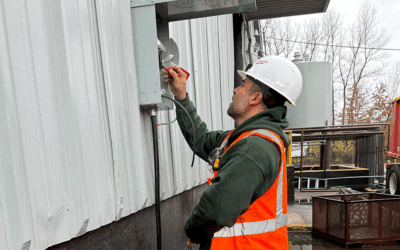
A professional inspection can help identify loose connections, deteriorating equipment, overloaded circuits, damaged components and other conditions that may require repair or further evaluation.
For businesses that want to take a proactive approach, commercial electrical preventative maintenance can help identify developing problems and create a plan for maintaining critical electrical equipment.
NFPA 70B specifically addresses electrical equipment maintenance, reinforcing the importance of having an established maintenance approach rather than waiting for equipment failure.
2. Pay Attention to Signs of an Overloaded Electrical System
Electrical systems can become strained when a facility’s power needs grow beyond what existing circuits, panels or service equipment were designed to support.
Warning signs can include breakers that trip repeatedly, lights that flicker or dim, unusually warm or discolored receptacles, buzzing from electrical equipment or problems that appear when large equipment starts.
A breaker that trips repeatedly should not simply be reset over and over. The underlying cause should be evaluated.
If your facility has outgrown its existing electrical capacity, commercial panel and service upgrades may be necessary to safely support new equipment or increased electrical demand.
| Warning Sign | What It May Indicate | Recommended Action |
|---|---|---|
| Frequent breaker trips | Overload, equipment issue or circuit problem | Have the affected system evaluated |
| Flickering or dimming lights | Load issue, loose connection or equipment problem | Schedule electrical troubleshooting |
| Warm or discolored receptacle | Loose connection or overheating | Stop using it and have it inspected |
| Burning odor | Overheated wiring or electrical equipment | Stop using affected equipment and contact an electrician |
| Buzzing from a panel | Problem with electrical equipment or connections | Do not open the panel; contact a qualified electrician |
| Rust or corrosion | Moisture exposure or deteriorating equipment | Schedule an electrical assessment |
3. Don’t Use Extension Cords as a Substitute for Permanent Wiring
Extension cords can be useful for temporary needs, but they should not become a long-term solution for a business that does not have enough receptacles or circuits.
Damaged, improperly selected or heavily used extension cords can create additional electrical hazards. OSHA also advises that cords showing damage or unsafe modifications should be removed from service.
If employees regularly rely on extension cords to reach equipment, workstations, displays or appliances, it may be time to consider additional receptacles or dedicated circuits instead.
Employees should also report damaged cords, loose receptacles and other visible electrical problems rather than attempting temporary repairs.
4. Keep Electrical Panels Safe, Clear and Accessible
Electrical panels and other distribution equipment should remain accessible to qualified personnel and free from storage or other obstructions.
Facility managers should also pay attention to visible rust, corrosion, unusual odors, recurring breaker problems or other signs that electrical equipment may need attention.
Older equipment is not automatically unsafe simply because of its age. However, an older commercial property should be evaluated when its existing electrical system is struggling to meet current demand, shows visible deterioration or is being modified to support significant new loads.
5. Protect Sensitive Commercial Equipment from Electrical Surges
Businesses increasingly depend on computers, point-of-sale systems, networking equipment, controls, security systems and other electronics that can be affected by voltage surges.
Plug-in devices may provide localized protection, while properly designed commercial surge protection can provide another layer of protection at the electrical system level.
Surge protection does not eliminate every possible source of electrical damage, but it can be an important part of a broader electrical protection strategy, particularly for facilities with valuable or mission-critical electronics.
6. Make Sure GFCI Protection Is Used Where Required
Ground-fault circuit interrupter, or GFCI, protection is designed primarily to reduce the risk of electric shock by quickly interrupting power when certain ground-fault conditions are detected.
Applicable electrical codes require GFCI protection in specific locations and applications, particularly where electrical equipment may be exposed to moisture or other increased shock hazards.
Because requirements vary depending on the location, equipment and installation, a licensed electrician should determine whether your commercial facility has the appropriate GFCI protection in place.
Restaurants, commercial kitchens, maintenance areas and other properties with wet or moisture-prone environments may have particular GFCI considerations.
7. Review Lighting and Electrical Loads as Your Business Changes
Commercial electrical demands rarely stay exactly the same throughout the life of a building.
Retail businesses may add seasonal displays, refrigeration equipment, new point-of-sale systems or additional lighting. Offices may add workstations, servers, conference-room technology and other electronics. Manufacturing and warehouse facilities may add machinery, motors or automated equipment.
These changes can affect both electrical demand and the way circuits are being used.
Lighting is another area worth evaluating, particularly in properties still relying on older systems or experiencing frequent lighting problems. Commercial LED lighting conversions can reduce lighting-related energy use while providing an opportunity to evaluate aging fixtures and existing lighting infrastructure.
If your business is remodeling or adding equipment, involve an electrician early enough to determine whether your existing circuits, panels and electrical service can support the planned changes.
8. Leave Electrical Repairs and Panel Work to Qualified Personnel
Employees can play an important role in electrical safety by recognizing and reporting problems. They should not, however, attempt repairs inside electrical panels or troubleshoot electrical equipment unless they are properly qualified and authorized to perform that work.
Businesses should have appropriate procedures in place for servicing equipment that could expose workers to hazardous energy.
OSHA’s lockout/tagout requirements address the control of hazardous energy during certain service and maintenance activities. Depending on the equipment and work being performed, energy sources may need to be shut down, isolated and secured before maintenance begins.
Electrical work can also involve shock and arc-flash hazards, making proper training, procedures and qualified personnel essential.
9. Use Preventative Tools to Find Problems That Aren’t Visible
Not every developing electrical problem can be identified through a visual inspection.
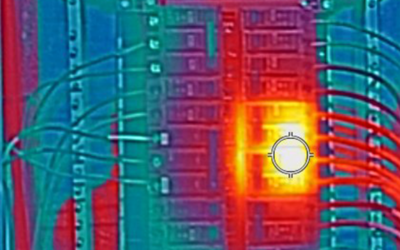
Loose connections, overloaded components and deteriorating electrical equipment can sometimes create abnormal heat before obvious signs of failure appear.
Infrared thermography allows trained professionals to identify temperature differences in energized electrical equipment without relying solely on what can be seen from the outside.
For facilities such as manufacturing plants, warehouses and other high-demand commercial properties, thermal imaging can be a useful part of an electrical maintenance program because it can help identify areas that warrant further investigation before an unexpected equipment failure occurs.
10. Know When to Call a Commercial Electrician
Some electrical warning signs should prompt professional evaluation rather than continued observation.
Contact a commercial electrician if your business is experiencing repeated breaker trips, burning odors, unusual buzzing, warm or discolored receptacles, unexplained power interruptions, recurring lighting problems or electrical equipment that appears damaged or overheated.
You should also have your electrical capacity evaluated before adding significant equipment, remodeling a facility or making changes that could substantially increase electrical demand.
Early evaluation can often give your business more options for planning repairs or upgrades rather than waiting until an electrical problem interrupts operations.
Commercial Electrical Safety for Louisville-Area Businesses
Electrical safety needs vary considerably from one property to another. An office building, restaurant, retail store, warehouse and manufacturing facility may all have different equipment, electrical loads, operating schedules and maintenance requirements.
Laswell works with businesses throughout Louisville, surrounding Kentucky communities and Southern Indiana to evaluate, maintain and upgrade commercial electrical systems.
Our commercial capabilities include electrical maintenance and troubleshooting, panel and service upgrades, infrared thermography, lighting improvements, surge protection, remodeling and new construction electrical work.
Rather than treating electrical safety as a one-time checklist, businesses can benefit from making it part of ongoing facility maintenance and planning.
Need a Commercial Electrical Inspection in Louisville?
If your facility is experiencing electrical problems, adding new equipment or hasn’t had its electrical system evaluated recently, Laswell can help determine what needs attention.
Contact Laswell at (502) 231-6326 to schedule commercial electrical service in Louisville, KY or the surrounding Kentuckiana area.
Have Questions About Your Business’s Electrical System?
From electrical repairs and preventative maintenance to lighting upgrades, electrical panels, and inspections, Laswell helps businesses throughout Louisville and Southern Indiana keep their electrical systems safe, reliable, and ready for their needs.