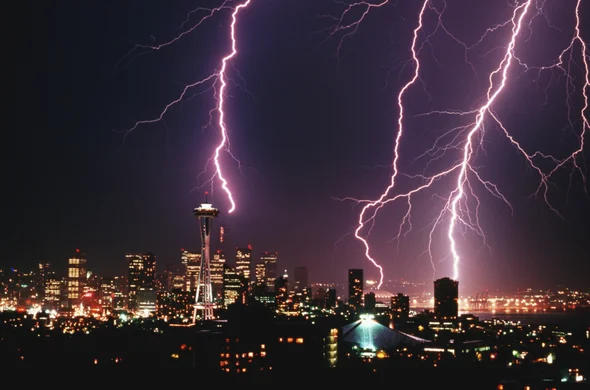
Lightning can create more than a temporary power interruption. A direct strike can send a significant amount of electrical energy through a home, potentially affecting the structure, wiring, connected equipment, and other conductive systems.
A residential lightning protection system is designed to give that energy a planned path toward the ground instead of allowing it to travel unpredictably through the home.
For Louisville and Kentuckiana homeowners, understanding how lightning protection works, and how it differs from surge protection, can help you decide whether your property should be evaluated.
What Is a Home Lightning Protection System?
A home lightning protection system is a group of components designed to intercept a lightning strike and safely direct the electrical energy toward the ground.
The system does not prevent lightning from occurring, and it does not create an invisible shield around the house.
Instead, it provides a controlled route for lightning energy if the home is struck.
A residential system may include:
- Air terminals
- Conductors
- Grounding components
- Bonding between conductive systems
- Connections designed around the structure
These components need to work together as a complete system.
How Does a Lightning Protection System Work?
When lightning strikes a protected structure, the system is designed to receive the strike and direct the electrical energy through conductors toward the grounding system.
The grounding system then helps disperse that energy into the earth.
Without a planned path, lightning energy may travel through electrical wiring, plumbing, structural components, communications equipment, or other conductive materials.
A properly designed lightning protection system helps reduce the risk of that uncontrolled path through the home.
Do Lightning Rods Attract Lightning?
No. Lightning protection equipment does not cause lightning to strike your home.
Air terminals provide designated points for a strike if lightning reaches the structure.
The purpose is not to attract lightning from the surrounding area. The purpose is to provide a safer path for the electrical energy when a strike occurs.
What Are Air Terminals?
Air terminals are the components many homeowners refer to as lightning rods.
They are positioned at appropriate points on the structure and connected to the rest of the lightning protection system.
If lightning strikes the home, the air terminals provide designated strike points that connect to the conductors leading toward ground.
Their placement depends on the design and shape of the home rather than simply installing one rod at the highest point.
Why Are Conductors Important?
Conductors connect the upper portions of the lightning protection system to the grounding components.
Their job is to provide a continuous path for lightning energy to travel toward the earth.
The route, connections, and installation of these conductors are important because lightning involves extremely high levels of electrical energy.
This is why lightning protection is more involved than simply attaching a metal rod to a roof.
Why Does Grounding Matter?
Grounding is a critical part of the system because the lightning energy needs somewhere to go after it travels down the conductors.
The grounding system is designed to help disperse that energy into the earth.
Grounding conditions can vary from one property to another, which is another reason a residential lightning protection system should be designed around the specific home.
Laswell provides electrical services that include grounding and lightning protection for properties throughout Louisville and Kentuckiana.
Why Is Bonding Part of Lightning Protection?
A home contains many conductive systems, including electrical wiring, plumbing, metal components, communications equipment, and other materials.
During a lightning event, differences in electrical potential between these systems can create additional risks.
Bonding connects appropriate conductive components so the protection system works together more effectively.
A complete lightning protection system considers the entire structure rather than focusing only on the roof.
Lightning Protection vs. Whole Home Surge Protection
Lightning protection and surge protection are related, but they do different jobs.
A lightning protection system is designed to provide a path to ground for the energy from a direct lightning strike.
Whole home surge protection is installed as part of the electrical system and helps limit excess voltage that may enter or move through the home’s wiring.
Electrical surges can come from several sources, including utility events, equipment operation, and lightning related disturbances.
That means a home can benefit from surge protection even if it does not have a complete lightning protection system.
For some properties, lightning protection and surge protection can work together as different layers of protection.
Can a Surge Protector Replace a Lightning Protection System?
No.
A surge protective device and a lightning protection system are not interchangeable.
Surge protection helps manage excess voltage within the electrical system. A lightning protection system is designed to handle the energy associated with a direct strike to the structure.
A homeowner concerned about lightning risk should understand that protecting electronics from voltage surges and protecting the structure from a direct strike are two separate considerations.
Can Lightning Still Damage a Protected Home?
No system can guarantee that a home or every device inside it will be protected from every possible lightning event.
Lightning involves tremendous amounts of electrical energy, and each strike can behave differently.
The purpose of a properly designed lightning protection system is to reduce risk by providing a planned path for that energy.
That is very different from promising that damage can never occur.
Which Homes May Benefit From Lightning Protection?
There is no single type of home that automatically needs a lightning protection system.
Several characteristics may make a homeowner more interested in having the property evaluated.
These can include:
- Homes in exposed locations
- Taller structures
- Homes on elevated property
- Properties with large or complex rooflines
- Homes with chimneys or rooftop equipment
- Properties with valuable electronics or connected technology
- Homes where lightning has previously caused concern
- Properties where the homeowner wants another layer of protection from severe weather
The right decision depends on the home, its surroundings, and the homeowner’s priorities.
Does the Design of the Home Affect the System?
Yes.
A lightning protection system should be designed around the structure it is protecting.
Factors that may influence the design include:
- Roof shape
- Building height
- Chimneys
- Additions
- Attached structures
- Grounding conditions
- Electrical and communications systems
- Other conductive components
A larger or more complex home may require a different system layout than a smaller home with a simple roofline.
This is one reason lightning protection is not a one size fits all installation.
What About Detached Garages and Other Structures?
Detached buildings may require separate consideration.
Garages, workshops, barns, and other structures are not automatically protected simply because the main home has a lightning protection system.
If protecting additional structures is important to you, include them when the property is evaluated.
The appropriate solution depends on the layout of the property and how the buildings are used.
Does Lightning Protection Protect Electronics?
A residential lightning protection system primarily helps manage the energy from a strike to the structure.
Protecting electronics and appliances from electrical surges is a separate part of the overall strategy.
That is why whole home surge protection can be an important companion to lightning protection.
Homeowners with televisions, computers, appliances, security systems, networking equipment, smart home devices, and other electronics may want to consider both the structural risk from lightning and the electrical risk from voltage surges.
Can Lightning Affect a Home Without a Direct Strike?
Yes.
Electrical disturbances can occur even when lightning does not directly strike the house.
A nearby lightning event can affect utility lines, communications systems, or other connected infrastructure.
This is another reason surge protection and lightning protection should be viewed as different parts of electrical protection rather than as competing solutions.
Why Professional Lightning Protection Installation Matters
A lightning protection system depends on all of its components working together.
Air terminal placement, conductor routing, bonding, grounding, and connections all need to be considered as part of the complete installation.
Improperly installed components may not provide the protection the homeowner expects.
A professional can evaluate the structure, identify the appropriate system layout, and make sure the protection is integrated with the property rather than treating each component separately.
Should Lightning Protection Be Considered During a Remodel?
A major renovation can be a good time to discuss lightning protection and other electrical improvements.
When portions of the structure are already accessible, homeowners may have more flexibility to plan conductor routes, grounding, surge protection, and other electrical improvements.
If you are planning a significant addition or renovation, considering these systems early can make it easier to coordinate them with the rest of the project.
Home Lightning Protection in Louisville, KY
Lightning protection is about giving electrical energy a controlled path rather than leaving that path to chance.
For Louisville and Kentuckiana homeowners, a complete residential system may include air terminals, conductors, bonding, and grounding designed around the specific structure.
It is also important to understand that lightning protection and surge protection serve different purposes. Depending on the property, both may have a role in protecting the home and its electrical systems.
Laswell has served Louisville and Kentuckiana since 1995. If you are considering lightning protection for your home, our team can evaluate the property, explain how the system works, and discuss the appropriate options for your home.
Have Questions About Your Home’s Electrical System?
From electrical repairs and safety inspections to lighting and panel upgrades, Laswell helps homeowners throughout Louisville and Southern Indiana find dependable electrical solutions for their homes.