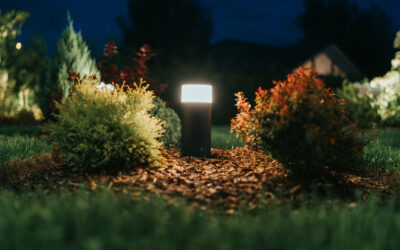

Smart lighting gives homeowners more control over when, where and how lights operate throughout the home. Depending on the system, lights can be controlled from a phone, placed on automatic schedules, grouped into scenes or connected with other smart-home and security devices.
For homeowners in Louisville, KY and throughout Kentuckiana, smart lighting can make everyday routines more convenient while also supporting comfort, energy management and home security.
What is smart lighting? Smart lighting uses connected switches, bulbs, controls or fixtures that can be operated remotely or programmed to respond automatically to schedules, routines and other compatible devices. Unlike traditional lighting that relies entirely on a wall switch, smart lighting can become part of a larger connected-home system.
How Does Smart Lighting Work?
Traditional lighting typically has two basic states: on and off.
Smart lighting adds another layer of control.
Depending on the equipment installed, homeowners may be able to manage compatible lights through:
- A smartphone or tablet
- Wall-mounted smart switches or dimmers
- Voice control
- Automatic schedules
- Custom scenes
- Motion or other sensors
- A home automation system
For example, exterior lights could turn on automatically around sunset, selected interior lights could dim in the evening, or several lights could turn off together when you leave home.
The specific capabilities depend on the lighting equipment and smart-home platform being used.
What Are the Benefits of Smart Lighting?
Smart lighting can serve several different purposes around the home.
The most useful systems aren’t simply about controlling a bulb from an app. They’re designed to make everyday lighting easier to manage.
Convenience
One of the simplest benefits is easier control.
Instead of walking through the house turning individual lights on or off, homeowners can control several compatible lights from one location or use automatic routines.
This can be particularly useful for:
- Large homes
- Exterior lighting
- Hard-to-reach switches
- Bedtime routines
- Vacation schedules
- Rooms with several lighting zones
Automatic Schedules
Smart lighting can be programmed around your normal routine.
For example:
- Exterior lights turn on at dusk
- Entry lights turn on before you normally arrive home
- Selected lights dim later in the evening
- Unneeded lighting turns off overnight
- Vacation lighting operates while you’re away
Schedules reduce the need to remember the same lighting tasks every day.
Comfort and Ambiance
Lighting plays a major role in how a room feels.
Compatible smart dimmers and lighting controls can make it easier to adjust different areas for specific activities.
You might create scenes for:
- Relaxing
- Entertaining
- Reading
- Dinner
- Watching a movie
- Bedtime
Instead of adjusting several lights individually, a scene can change multiple compatible lights together.
Energy Management
Smart lighting doesn’t automatically guarantee major energy savings, but it can help reduce unnecessary lighting use.
Schedules, automatic shutoffs and remote control make it easier to prevent lights from staying on when they aren’t needed.
When smart controls are paired with efficient LED lighting, homeowners gain greater control over both how and when their lights operate.
Home Security
Lighting can also play a supporting role in home security.
Exterior lights can improve visibility around entrances, driveways and walkways. Interior lighting schedules can make a home appear occupied while you’re away. Compatible lighting may also respond to security-system activity or motion.
Our guide to smart lighting and home security explains how automated lighting can work alongside cameras, sensors, locks and other security technology.
What Types of Smart Lighting Are Available?
There isn’t just one way to create smart lighting.
The best option depends on your existing fixtures, electrical system, goals and the level of automation you want.
Smart Switches and Dimmers
Smart switches replace traditional wall switches while allowing the light fixture itself to continue functioning normally.
Depending on the equipment, they may provide features such as:
- Remote control
- Dimming
- Scheduling
- Scenes
- Voice integration
- Connection with other smart-home devices
Smart switches can be especially useful when you want everyone in the home to continue using a familiar wall switch while also gaining automation features.
For homeowners interested in a more integrated setup, professional smart lighting installation can help determine which controls are appropriate for the home’s existing wiring and fixtures.
Smart Bulbs
Smart bulbs contain connected technology within the bulb itself.
They can be useful for individual lamps or fixtures where replacing a wall switch isn’t necessary.
Depending on the bulb, homeowners may be able to control:
- On/off status
- Brightness
- Color temperature
- Color
- Schedules
Smart bulbs can be convenient for individual fixtures, but they also depend on the fixture continuing to receive power.
If someone turns off the traditional wall switch supplying the bulb, some of its connected features may no longer be available until power is restored.
Smart Plugs
Smart plugs allow certain lamps and plug-in lighting devices to be controlled through a connected outlet adapter.
They can be useful when you want basic automation without replacing a fixture or wall switch.
A lamp connected to a compatible smart plug might:
- Turn on automatically in the evening
- Turn off overnight
- Operate while you’re traveling
- Be controlled remotely
They aren’t appropriate for every type of lighting, but they can be a simple option for some plug-in fixtures.
Integrated Smart Lighting Controls
For homeowners who want multiple areas of the home to work together, integrated lighting controls can provide a more unified experience.
Instead of managing individual bulbs or devices through separate apps, compatible lighting can be incorporated into home automation along with locks, thermostats, security systems, garage controls and other connected technology.
This is where smart lighting begins to feel less like a collection of gadgets and more like part of the home itself.
Smart Light Strips and Accent Lighting
Connected LED light strips can be useful for accent or decorative lighting.
Common locations might include:
- Under cabinets
- Entertainment areas
- Shelving
- Cove lighting
- Bedrooms
- Bars
- Display areas
These are generally more focused on atmosphere and accent lighting than whole-home automation, but they can still become part of compatible lighting scenes.
Smart Switches vs. Smart Bulbs: Which Is Better?
Neither option is automatically better.
Smart switches are often a good choice when you want to control an existing fixture while keeping a familiar wall-switch experience.
Smart bulbs may make more sense for individual lamps, decorative fixtures or situations where you want features such as adjustable color temperature.
A homeowner might even use both approaches in different parts of the same home.
Before purchasing equipment, consider:
- Who will use the lighting
- Whether traditional switches will still be used
- How many fixtures need control
- Whether dimming is required
- Whether you want whole-home automation
- Compatibility with your existing electrical system
- Whether the system should integrate with security or other smart-home devices
Planning first can help prevent ending up with several different lighting products that require separate apps or don’t work together.
Where Can Smart Lighting Be Used in a Home?
Smart lighting can be useful throughout both the interior and exterior of a home.
Entryways
Entry lights can be scheduled or automated to provide illumination when you arrive home.
Living Rooms
Dimmers and scenes can make it easier to adjust lighting for television, entertaining, reading or relaxing.
Kitchens
Different lighting zones can help homeowners control task lighting, pendants, under-cabinet lighting and other fixtures independently.
Bedrooms
Bedroom lighting can become part of morning and bedtime routines.
Hallways and Stairs
Automated or sensor-based lighting can improve visibility in areas that may otherwise be dark at night.
Garages
Garage lighting can be incorporated into arrival, departure or evening routines.
Exterior Areas
Porch lights, pathway lighting and selected landscape or exterior fixtures can be scheduled around sunset or incorporated into security routines.
If you’re planning a larger indoor or outdoor lighting project that goes beyond automation controls, professional home lighting installation can help address fixtures, wiring and overall lighting design.
Can Smart Lighting Improve Home Security?
Yes, but it should be considered one part of a broader security strategy.
Smart lighting can help by:
- Illuminating entrances and walkways
- Improving visibility around exterior areas
- Operating automatically while you’re away
- Making the home appear occupied
- Responding to compatible motion or security activity
For example, an exterior light could illuminate an area when activity is detected, while interior lights could operate on an evening schedule during a vacation.
Lighting doesn’t replace cameras, intrusion sensors, smart locks or a monitored security system, but it can complement those technologies.
For a deeper look at the security side, see our guide to smart lighting and home security.
Does Smart Lighting Work With Home Automation?
Yes. In fact, integration is one of the biggest advantages of smart lighting.
Instead of controlling the lights separately, compatible lighting can become part of larger routines.
For example, a bedtime routine could:
- Turn off downstairs lights
- Dim bedroom lighting
- Lock compatible doors
- Adjust the thermostat
- Prepare the security system for the night
An arrival routine might turn on entry lighting and make other adjustments when you return home.
If you’re new to connected-home technology, our guide explaining what home automation is provides a broader look at how lighting, security, locks, thermostats and other devices can work together.
Do Smart Lights Require Wi-Fi?
It depends on the system.
Some smart lighting products connect directly to Wi-Fi, while others communicate through a compatible controller, hub or smart-home platform.
Internet connectivity may also be needed for features such as remote access when you’re away from home.
The most important question isn’t whether every device uses Wi-Fi specifically. It’s whether the lighting equipment is compatible with the larger system you’re using and whether the home’s network can reliably support the connected features you want.
Can Smart Lighting Be Added to an Existing Home?
Yes.
Smart lighting isn’t limited to new construction.
Many existing homes can be upgraded with compatible smart switches, dimmers, controls, bulbs or other technology.
The best solution depends on factors such as:
- Existing wiring
- Types of switches
- Fixture compatibility
- Number of lighting zones
- The smart-home system being used
- Whether additional electrical work is needed
Homeowners can also start with one or two areas and expand later.
A thoughtful plan is especially useful if you expect to add more automation over time.
Can You Control Smart Lights When You’re Away From Home?
Many systems allow remote control through a smartphone app or connected platform.
Depending on the equipment, you may be able to:
- Check whether lights are on
- Turn compatible lights on or off
- Adjust schedules
- Activate scenes
- Change certain lighting settings
Remote control can be helpful if your plans change unexpectedly or if you want lighting to operate differently while you’re traveling.
Is Smart Lighting Worth It?
Smart lighting can be worthwhile when it solves a problem or makes an everyday routine easier.
It may be particularly useful if you want:
- Automatic exterior lighting
- Better control over several lighting zones
- Bedtime or morning routines
- Remote lighting control
- Vacation schedules
- Integrated security lighting
- Adjustable scenes for entertaining or relaxing
- Lighting that works with other smart-home devices
However, not every light in the house needs to be connected.
The best smart-home systems focus on the areas where automation provides genuine convenience rather than adding technology simply because it is available.
DIY Smart Lighting vs. Professional Installation
Some smart-lighting products are designed for homeowner installation.
A smart bulb or plug, for example, may be relatively straightforward to set up.
Professional installation becomes more valuable when the project involves:
- Replacing wall switches or dimmers
- Electrical wiring
- Multiple lighting zones
- Whole-home control
- Exterior lighting
- Integration with home security
- Integration with other smart-home systems
- Troubleshooting compatibility between devices
A professional can also help determine whether a smart switch, bulb, dimmer or more integrated control system makes the most sense for a particular location.
The goal should be a lighting system that remains easy to use after the installation is finished.
Frequently Asked Questions About Smart Lighting
What is the difference between smart lighting and regular lighting?
Traditional lighting is generally controlled directly from a wall switch. Smart lighting adds connected controls that may allow remote access, schedules, scenes, automation and integration with other compatible devices.
Do I need smart bulbs to have smart lighting?
No. Smart lighting can also use compatible smart switches, dimmers and other controls. In many homes, keeping traditional fixtures and upgrading the controls may make more sense than replacing every bulb with a connected bulb.
Can smart lighting turn on automatically?
Yes. Compatible systems can use schedules, routines and certain triggers to turn lights on or off automatically.
Can smart lighting be used outdoors?
Yes. Compatible exterior lighting and controls can be used for entrances, walkways, patios, landscape lighting and other outdoor areas. Equipment should be appropriately rated for its installation location.
Can smart lighting help save electricity?
Smart controls can help reduce unnecessary lighting use by turning lights off on schedules or making it easier to manage them remotely. Actual energy savings depend on the lighting, usage patterns and system configuration.
Smart Lighting Solutions for Louisville, KY Homes
Smart lighting should make your home easier to use, not more complicated.
Laswell provides professional smart lighting and connected-home solutions for homeowners throughout Louisville, KY, surrounding Kentucky communities and Southern Indiana.
Whether you want a few automated lighting controls or lighting that works together with security, locks, thermostats and other smart-home technology, our team can help design a system around the way you actually use your home.
If you’re considering an upgrade, learn more about our smart lighting installation services or contact Laswell to schedule an in-home consultation.
Have Questions About Your Home’s Electrical System?
From electrical repairs and safety inspections to lighting and panel upgrades, Laswell helps homeowners throughout Louisville and Southern Indiana find dependable electrical solutions for their homes.