
A July 4th gathering often means spending the day outside with family, friends, food, music and backyard activities. It can also mean running extension cords, outdoor lights, speakers, fans and other electrical equipment where moisture and foot traffic create additional safety concerns.
A little planning can help you power your celebration without creating unnecessary electrical hazards.
Whether you’re hosting a cookout, pool party or neighborhood gathering in Louisville or elsewhere in Kentuckiana, use these outdoor electrical safety tips before plugging everything in.
1. Use Only Extension Cords Rated for Outdoor Use
Not every extension cord is designed to be used outside.
Outdoor-rated extension cords are made to better withstand conditions such as moisture, sunlight and temperature changes. Check the cord before using it and make sure it is clearly marked for outdoor use.
Avoid using indoor extension cords on patios, lawns, decks or other outdoor areas.
The cord also needs to be appropriately rated for the equipment connected to it. The correct cord size depends on factors including the electrical load and the length of the cord.
If you’re unsure whether a cord can safely power a particular appliance or device, check the equipment and cord ratings rather than guessing.
2. Inspect Cords and Electrical Equipment Before the Party
Extension cords, string lights and other electrical equipment can become damaged while stored between uses.
Before plugging anything in, check for:
- Frayed or cracked insulation
- Exposed wiring
- Bent or damaged plugs
- Missing grounding prongs
- Loose connections
- Discolored or melted areas
- Damaged light sockets
Do not try to make a badly damaged cord safe with tape.
If electrical equipment shows signs of deterioration, replace it rather than using it for the party.
3. Use GFCI Protection for Outdoor Power
Ground-fault circuit interrupters, or GFCIs, are an important part of outdoor electrical safety.
A GFCI monitors the electrical current flowing through a circuit and can quickly shut off power when it detects a ground fault. This helps reduce the risk of electrical shock, particularly in areas where electricity and moisture may come together.
Outdoor receptacles should have appropriate GFCI protection. If you’re unsure whether an outlet is protected or why that matters, our guide to GFCI outlets explains how GFCIs differ from standard receptacles.
If an outdoor outlet is damaged, does not work properly or does not provide the protection your space needs, professional outlet and switch installation can provide a more permanent solution.
4. Keep Electrical Connections Away From Water
Water and electricity are a dangerous combination.
Keep extension-cord connections, plugs and electrical equipment away from:
- Pools
- Sprinklers
- Wet grass
- Standing water
- Coolers that may leak
- Areas where drinks may frequently spill
Never handle plugs or electrical connections with wet hands.
If a cord, plug or device becomes wet and is not designed for those conditions, stop using it until it can be safely evaluated or replaced.
Pool parties deserve particular attention because guests may be moving between wet areas and powered equipment throughout the day.
5. Don’t Overload Extension Cords or Circuits
It may be tempting to plug speakers, fans, lights, coolers and other devices into one convenient location, but every electrical circuit and extension cord has limits.
Connecting more equipment does not increase the amount of electricity the circuit can safely provide.
Before connecting multiple devices, consider how much electrical load they require.
Warning signs of an electrical problem may include:
- A breaker that repeatedly trips
- A plug or cord that becomes unusually warm
- Flickering lights
- Buzzing or crackling
- A burning or unusual electrical odor
If a breaker trips, do not repeatedly reset it without figuring out why.
Laswell’s electrical repair services can help diagnose recurring breaker trips and other electrical problems.
6. Never Daisy-Chain Extension Cords
Connecting one extension cord to another may seem like an easy way to reach the far side of the yard, but extension cords are intended to be temporary power solutions and should be used according to their ratings and instructions.
Instead of stringing multiple cords together, use one properly rated cord of the appropriate length.
You should also avoid using extension cords as a long-term substitute for permanent outdoor wiring.
If your backyard regularly requires several extension cords to power the same areas, consider having additional outdoor receptacles installed.
7. Keep Cords Out of Walkways
Electrical safety is not the only concern with extension cords.
A cord stretched across a patio, sidewalk or busy area can become a trip hazard, especially when guests are moving between the house, yard and outdoor seating areas.
Plan where equipment will be located before guests arrive so cords can stay away from:
- Doorways
- Walkways
- Stairs
- Pool decks
- High-traffic areas
Do not run extension cords beneath rugs or mats where they can become damaged or overheat without being noticed.
8. Use Outdoor-Rated Lighting and Decorations
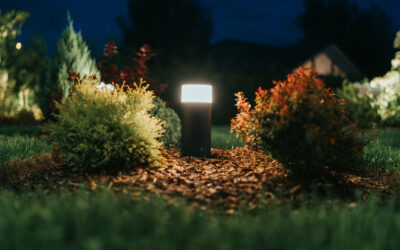
String lights can make a backyard more inviting for an evening July 4th celebration, but make sure the lights are approved for outdoor use.
Inspect the wiring and sockets before installation and replace sets that are damaged.
When installing outdoor lighting:
- Follow the manufacturer’s instructions
- Keep cords and connections dry
- Avoid damaging wire insulation with nails, staples or other fasteners
- Do not overload outlets or extension cords
- Keep lighting away from excessive heat
LED lighting can also use less electricity and produce less heat than traditional incandescent decorative lighting.
For a more permanent backyard setup, professional home lighting installation can add patio, landscape and other outdoor lighting without relying on temporary cords and seasonal fixtures.
9. Be Careful Around Pools and Other Wet Areas
If your July 4th party includes a pool, hot tub or other water feature, keep portable electrical equipment a safe distance from the water.
Radios, speakers, fans, extension cords and other devices should not be placed where they could fall or be pulled into the water.
Outdoor receptacles and electrical equipment around pools have specific safety requirements because of the increased risk presented by water.
If you’re planning permanent electrical upgrades around a pool or outdoor living area, have the work completed by a qualified electrician rather than relying on temporary wiring.
10. Unplug Temporary Equipment When the Party Is Over
Once the celebration winds down, unplug temporary lights, extension cords and electrical equipment that no longer need to operate.
Inspect cords as you put them away and discard damaged equipment rather than saving it for another event.
Store reusable cords and lights somewhere dry so they are in better condition the next time you need them.
When Extension Cords Aren’t the Right Solution
Extension cords are useful for temporary events. They are not intended to replace permanent electrical wiring.
If you regularly use extension cords for:
- Patio lighting
- Outdoor TVs
- Speakers
- Fans
- Pool equipment
- Outdoor kitchens
- Landscaping
- Seasonal decorations
- Backyard entertainment areas
it may be worth installing permanent outdoor receptacles or dedicated circuits where you actually need power.
A professionally installed outdoor electrical setup can make entertaining more convenient while reducing dependence on temporary cords.
What Should You Do If a Breaker Trips During Your Party?
A tripped breaker is telling you that the electrical system detected a condition that caused it to shut off power.
If a breaker trips after several devices are connected, unplug some equipment before attempting to restore power.
If the same breaker continues to trip, stop using the affected circuit and have the problem evaluated.
Do not replace a breaker with a larger one or attempt to modify electrical wiring to keep the party going.
Repeated breaker trips can indicate an overloaded circuit, faulty equipment or another electrical problem that deserves professional attention.
Plan Ahead for Safer Outdoor Power
Outdoor entertaining should not require a maze of extension cords or overloaded receptacles.
Before your July 4th gathering, take a few minutes to inspect cords and equipment, confirm you’re using outdoor-rated products, keep connections away from water and make sure outdoor power is GFCI-protected.
If your backyard needs additional outlets, lighting, dedicated circuits or other electrical upgrades, Laswell can help.
We’ve served Louisville and Kentuckiana since 1995 and provide residential electrical services for outdoor power, lighting, electrical repairs and other home electrical projects.
A little planning before the party can help keep the focus where it belongs: enjoying the holiday with family and friends.
Have Questions About Your Home’s Electrical System?
From electrical repairs and safety inspections to lighting and panel upgrades, Laswell helps homeowners throughout Louisville and Southern Indiana find dependable electrical solutions for their homes.